
Food cart pods
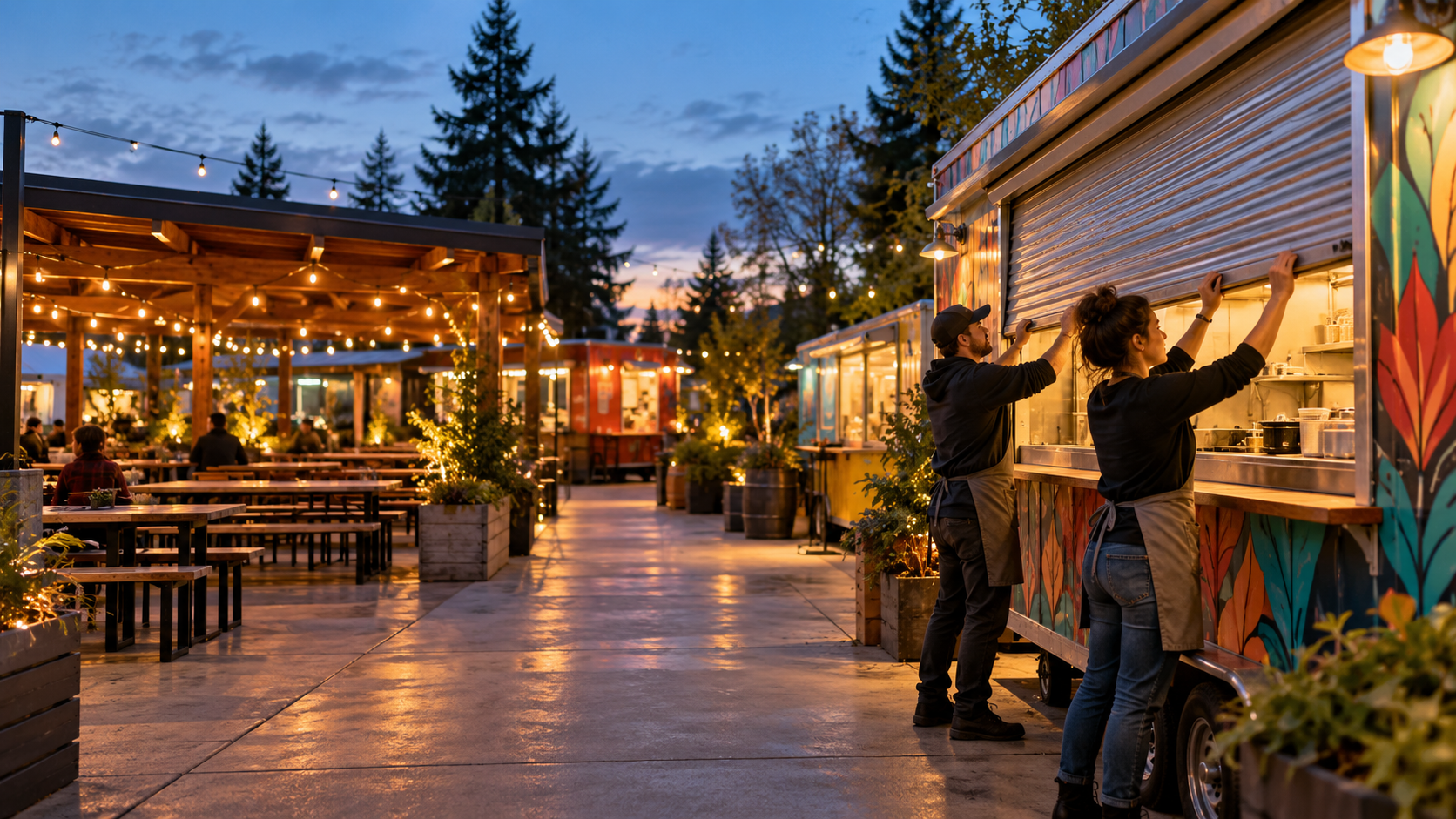
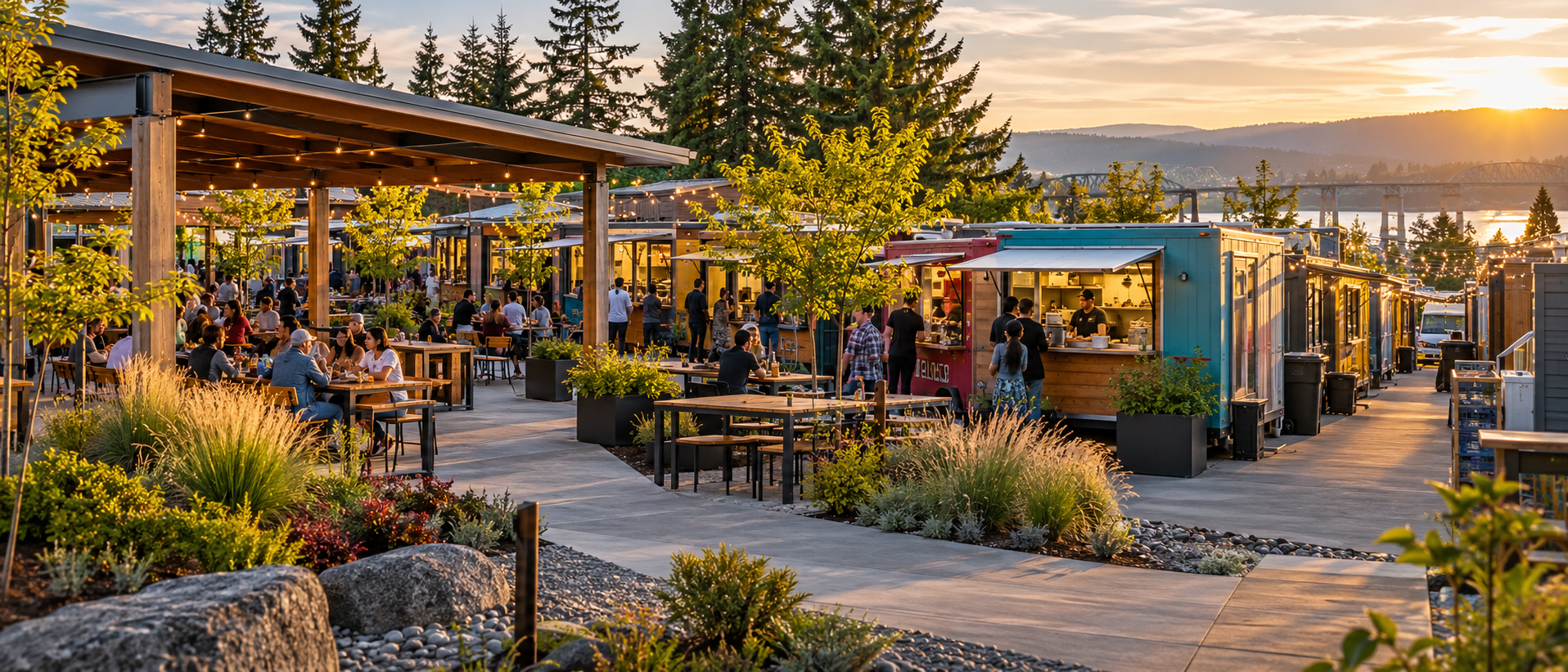
Outdoor cart lanes, shared seating, and unstaffed after-hours conditions with no enclosing structure.
Security First Alarm · Oregon & Southwest Washington
Protecting food courts, cart pods, and shared dining spaces across Oregon and Southwest Washington for 28 years. Curtain detection, integrated video, and a monitored response plan designed around each property.
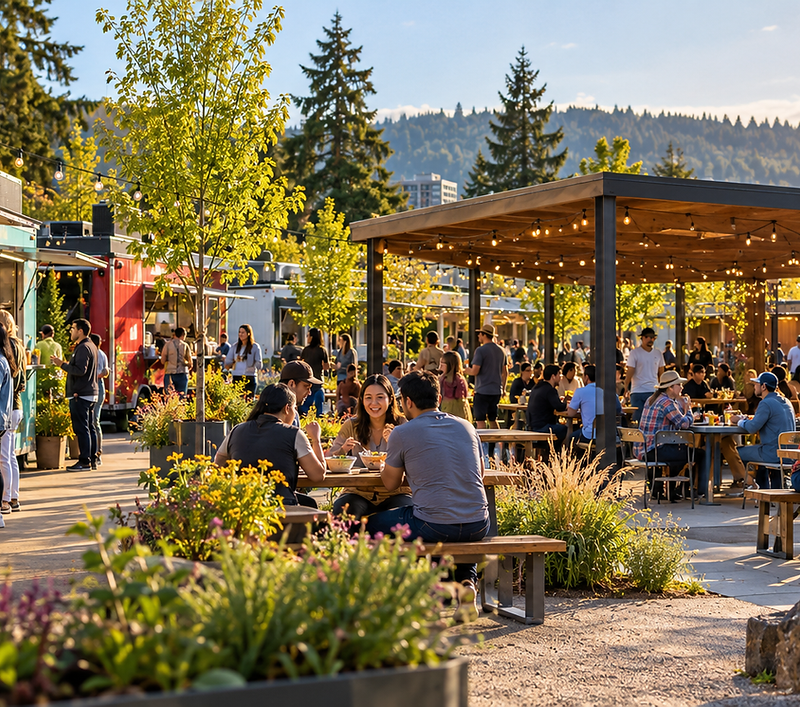
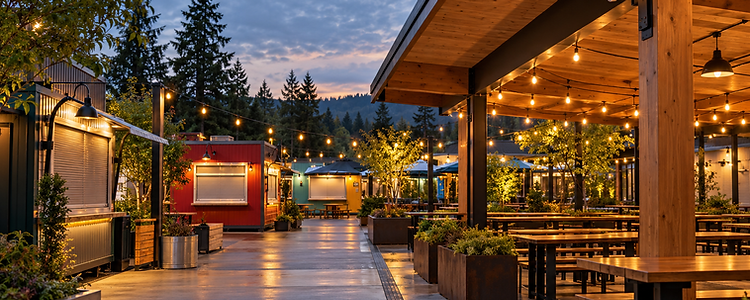
Conceptual property scene. Coverage is designed after a walk-through.
28 years in business
Continuous commercial service since 1998
Licensed, bonded, and insured
Oregon and Southwest Washington
24/7 UL-listed monitoring
Central station signal handling
Local rapid response
Regional technicians and service
Who we protect
Each venue type carries different exposure. Coverage, arming schedules, and the response plan are set to the way the property actually operates.
Outdoor cart lanes, shared seating, and unstaffed after-hours conditions with no enclosing structure.
Multi-vendor buildings with shared corridors, back-of-house passages, and staggered closing times.
Dining areas connected to retail, office, or residential space where ownership and response are split.
High-traffic service periods, restricted storage, and defined public and staff boundaries.
Protection solutions
Disciplines are combined or phased according to the site survey. Each proposal names the equipment, the monitoring service, and the coverage by area.
Curtain and motion detection on doors, shutters, and service openings, armed for the hours each zone is closed.
Detection and notification scoped to the property occupancy and the local code requirements that apply to it.
Camera and recorder coverage with line-crossing analytics, reviewed in the same application as alarm events.
Credentialed entry to back-of-house, cash offices, and vendor areas, with a record of who entered and when.
Existing panels and devices evaluated for a service or monitoring takeover where technically appropriate.
Next step
A property walk-through, a review of exposure by zone, and a written proposal for the scope that fits.
Interactive layout guide
From covered food cart pods to large plazas and enclosed halls, select a format and zone to see how detection, video, and operating schedules can work together. Every property receives its own technical survey.
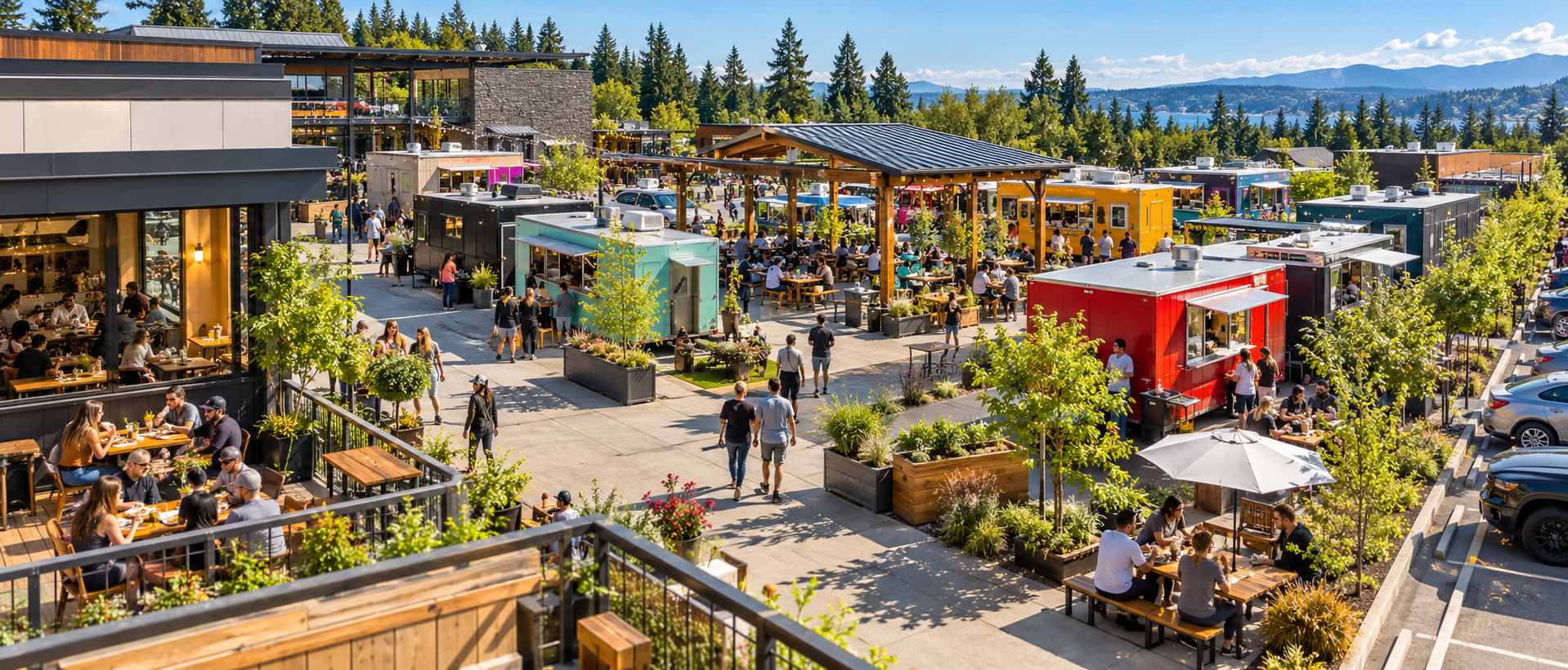
Illustrative layouts inspired by local property formats. These venues are not presented as customers, and no installed equipment is implied.
A cluster of independent carts around a covered pavilion, bar, and open-air seating.
Conceptual zone map
Choose a zone
Planning illustration only. Device positions, compatibility, coverage, and arming rules are confirmed on site.
Selected zone · Cart row
Each operator may close at a different time, with separate shutters, cash, and inventory.
Detection strategy
Review each cart entry and closure procedure. Use an indoor curtain only where the opening and environment are suitable; contacts or outdoor-rated detection may fit other boundaries.
Video strategy
Cover public approaches and cart lanes while avoiding private work areas inside independently operated carts.
Ongoing service
Define who receives alarms, who can review video, and what the monitoring and service agreement covers.
Years in business
28
Serving Oregon and Southwest Washington since 1998
Protection disciplines
5
Intrusion, fire, video, access, and monitoring
Monitored response
24/7
UL-listed central station signal handling
Service area
OR · WA
Licensed, bonded, and insured in both states
The system
Make room for food, music, events, and people. When an area closes, detection, video, and a response plan help your team see what happened and act.

Detection
A narrow indoor detection line can alert the property team when an armed opening is crossed. Outdoor areas need a suitable outdoor-rated device.
See detection options
Video
Selected Ajax cameras and NVRs put live and recorded views in the Ajax app, with coverage designed around the site.
See camera options
Control
The hub coordinates compatible intrusion devices and communications. Final hub and backup choices follow the technical survey.
Discuss hub fit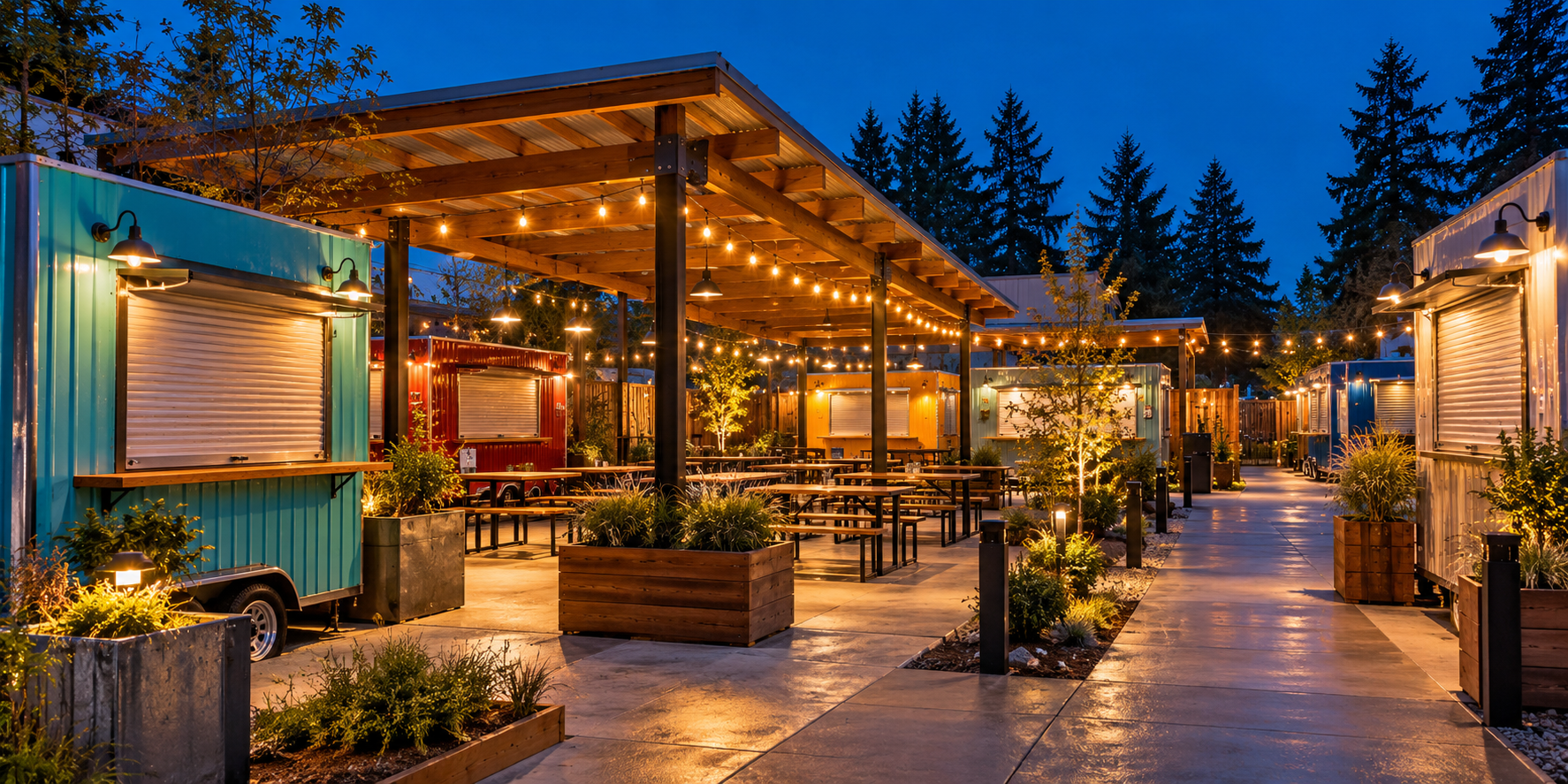
Service
Professional monitoring can follow an agreed contact and escalation plan. The service scope is defined in the proposal.
Explore monitoringProduct images: Ajax Systems. Monitoring image is conceptual. Exact models and service are specified after a property review.
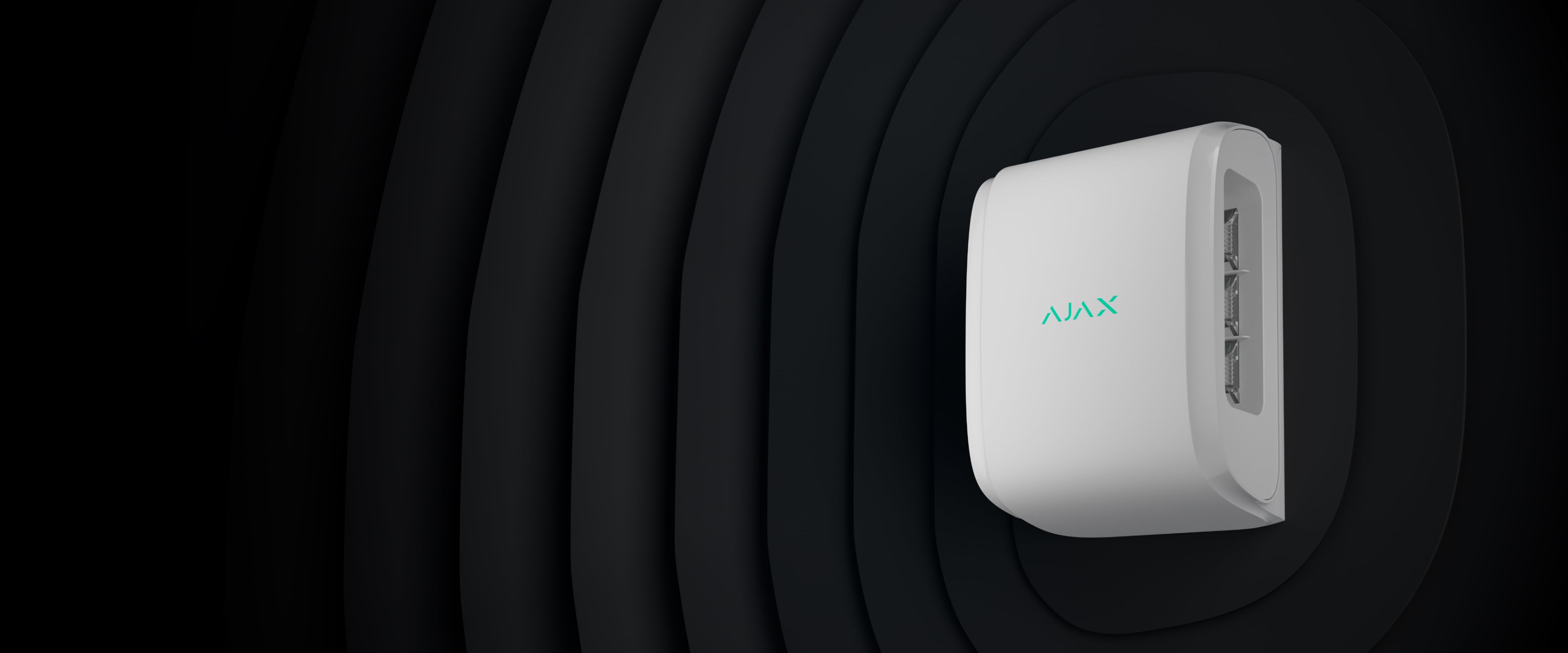
Curtain detection
An armed MotionProtect Curtain (9NA) can detect motion crossing a selected indoor opening and initiate an alarm event. Configured notifications and professional monitoring, when included, determine who is alerted and how the event is handled. Exterior locations require an appropriate outdoor-rated device and site-specific placement.
Indoor narrow-angle detection
A focused intrusion boundary for selected counters, doors, and corridors when the area is armed. Location and sensitivity require a walk test.
View official Ajax productExterior perimeter option
A separate outdoor-rated option for selected dock and perimeter approaches. Exact placement and environmental suitability are reviewed on site.
View official Ajax productUS-region (9NA) examples are shown. Availability, certification requirements, and compatibility are confirmed for the specific project. Review Ajax’s 9NA device list.
Video surveillance
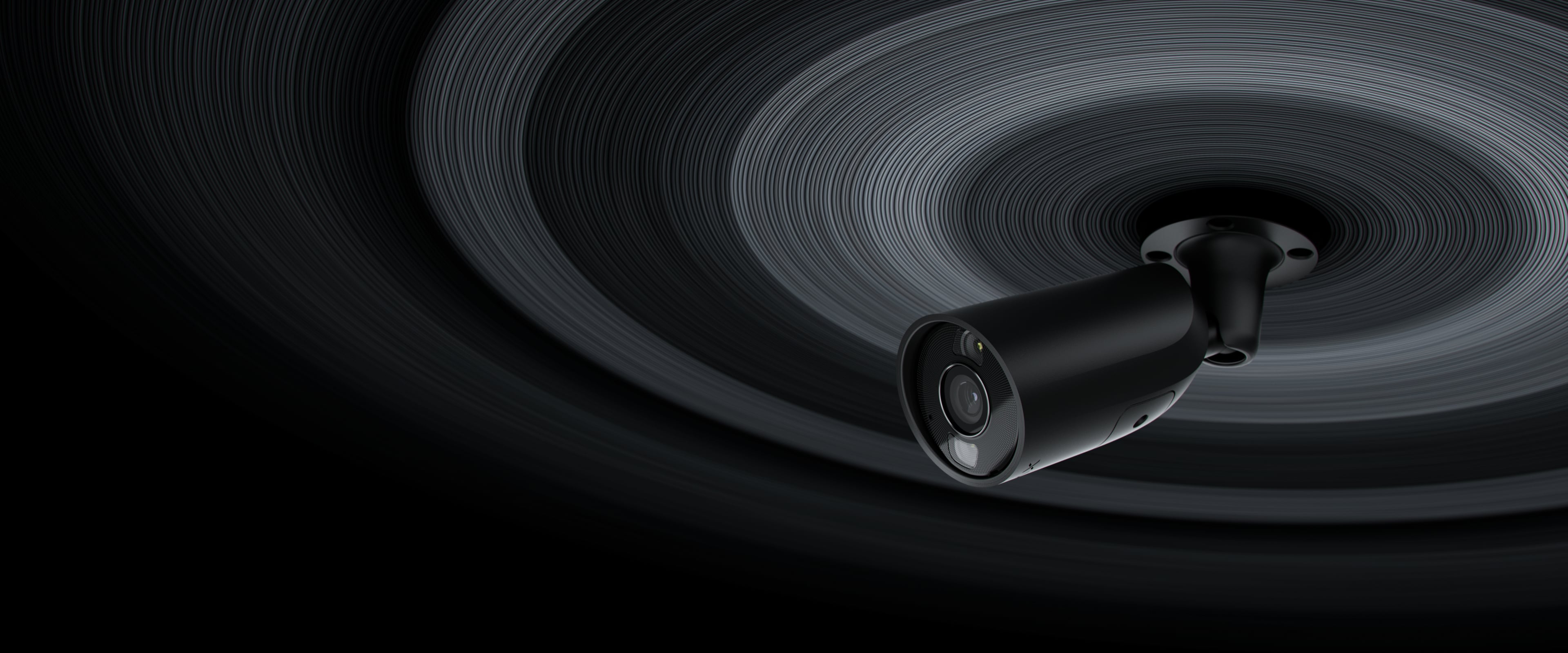
Compatible Ajax cameras and NVRs bring live and recorded views into the Ajax app. Hybrid illumination can use infrared and white light according to model and configuration; recording and access are scoped per property.
Ajax wired IP camera
A candidate for broad indoor or outdoor views. The lighting mode, lens, network, and recording plan are selected for the scene.
View official Ajax productCompact wired IP camera

A compact form factor for selected interior viewpoints, with final mounting and privacy decisions made during design.
View official Ajax productAjax wired IP camera
A candidate for frontage and dock approaches where sightline, lighting, and environmental conditions are checked.
View official Ajax productOn-site recording option

Recording capacity and retention depend on the chosen NVR, cameras, storage, and video settings.
View official Ajax productModels, features, recording, and regional availability are confirmed in the proposal. Ajax video documentation
Coverage map
These are design considerations, not a fixed bill of materials. We confirm sightlines, access, schedules, and compatibility before specifying devices.
Open seating, cash handling, many entrances, and variable closing hours
Overview video, controlled interior entries, and a separately planned after-hours boundary
Independent vendor closures, equipment, cash, and exposed approaches
Evaluate individual cart openings, site-appropriate detection, and CCTV along public lanes
Outdoor light, weather, stairs, and late guest movement
Review exterior-rated options and video sightlines without placing indoor curtain detectors outside
Independent tenant schedules and counter openings
Evaluate indoor curtain lines and contacts against each stall design
Shared access, deliveries, and propped doors
Door contacts, selected corridor detection, and video at transitions
Restricted entry and deposit movements
Separate arming plan, protected entry, and a privacy-aware camera view
After-hours access and inventory routes
Review doors and circulation before choosing contacts or curtain placement
Exterior approaches, lighting changes, and vehicle traffic
Consider outdoor-rated detection and video after a site survey
Built for operators
Food courts and cart pods mix public and vendor space. The right proposal assigns coverage and responsibility to the people who operate the building.
Protect shared seating, outdoor cart lanes, vendor boundaries, and bar or cash areas through different operating hours.
A property-wide design with practical separation between public space and tenants.
Coordinate a food court with the rest of the mall, docks, corridors, and existing systems.
A clear scope for the food court and a review of equipment worth retaining.
Standardize assessment, escalation, and service across one or more managed locations.
A repeatable approach to proposals, monitoring, and ongoing support.
Ongoing relationship
Monitoring and service are scoped to the property, so the response plan stays useful as tenants and schedules change. Existing equipment can be evaluated for a service or monitoring takeover where technically appropriate.
Discuss monitoring and serviceSite-specific coverage, device selection, arming responsibilities, and staff orientation.
An agreed alarm response plan with central station monitoring where included in the proposal.
Testing, maintenance, and adjustments as vendors, entrances, and operating hours change.
How it goes
Security First Alarm serves commercial properties in Oregon and Southwest Washington. Your assessment produces a site-specific scope and a clear next step.
01
We learn who operates the site, its hours, current systems, and priority concerns.
02
We review openings, sightlines, network and power, tenant boundaries, and monitoring requirements.
03
The proposed hardware, installation work, monitoring scope, and service options are itemized for review.
04
If approved, we commission the system, orient the property team, and deliver the agreed monitoring and service.
Proof and credentials
Security First Alarm has protected commercial properties across Oregon and Southwest Washington for 28 years. Every food court program is delivered to the same documented standard.
Continuous commercial and multi-tenant property work since 1998.
Ajax Systems intrusion and video equipment with documented models and firmware records.
Alarm signals routed to a UL-listed monitoring center on an agreed escalation plan.
Proposals that name coverage by area, device, and arming schedule before installation.
Service commitments
Operator questions
The useful details are how the property closes, who receives an alert, and what happens next.
Share the layout and your main concern. We can review what is technically appropriate before naming equipment.
No. When armed, a correctly placed detector senses movement across a selected line and initiates an alarm event. Doors, shutters, locks, and site procedures provide the physical barrier.
An indoor model is for suitable interior locations. Exposed outdoor approaches require an appropriate outdoor-rated device and a site survey for weather, animal movement, traffic, and false-alarm conditions.
We map which operator controls each opening and propose separate arming areas, permissions, and schedules where the equipment and property arrangement support them.
Often a technical review can identify equipment worth retaining. Compatibility, condition, access, licensing, and the service scope are checked before a takeover or integration is proposed.
A camera provides live or recorded context. Dispatch and escalation depend on the alarm event, monitoring agreement, verification process, and the response plan specified in your proposal.
Access is assigned by role and agreed with the property team. Camera placement, retention, and access are designed around operational needs and privacy considerations.
A service relationship can include updating contacts, permissions, schedules, device tests, and the response plan as operators change. The exact recurring scope is set out in the agreement.
We review openings, tenant boundaries, after-hours traffic, sightlines, lighting, power, network, existing equipment, and the people responsible for arming and responding.
The proposal should identify equipment and installation work along with any ongoing monitoring and service options, so management can evaluate the full operating commitment.
This program is intended for commercial food courts, food halls, and food cart pods in Oregon and Southwest Washington. Confirm location and project scope with the sales team.
Security network
Food Court Security sits inside a network of security companies and studios. Each property below is maintained by its own team and opens in a new tab.
Parent alarm company
securityfirstalarm.com
Commercial intrusion, fire alarm, access control, and 24/7 monitoring across Portland, Oregon, and the surrounding region.
Security sales platform
securitysalesapp.com
A sales workspace for alarm professionals: accounts, proposals, and pipeline for security and fire work. Sign-in required.
Research and design studio
aruintelligence.com
The studio that designed and built this program, working across security brands, research, and business systems.
External properties. Availability of services, pricing, and licensing are governed by each site.
Your next step
Tell us the property, its hours, and the zone that concerns you most. We review the property, identify exposure by zone, and prepare a proposal that names the recommended hardware, monitoring, and service scope.
